Geotechnical
The Importance of Geotechnical Investigation for Sustainable Infrastructure
Every structure is only as good as the ground beneath it. Here is why site-specific ground investigation pays for itself — especially on expansive soils.
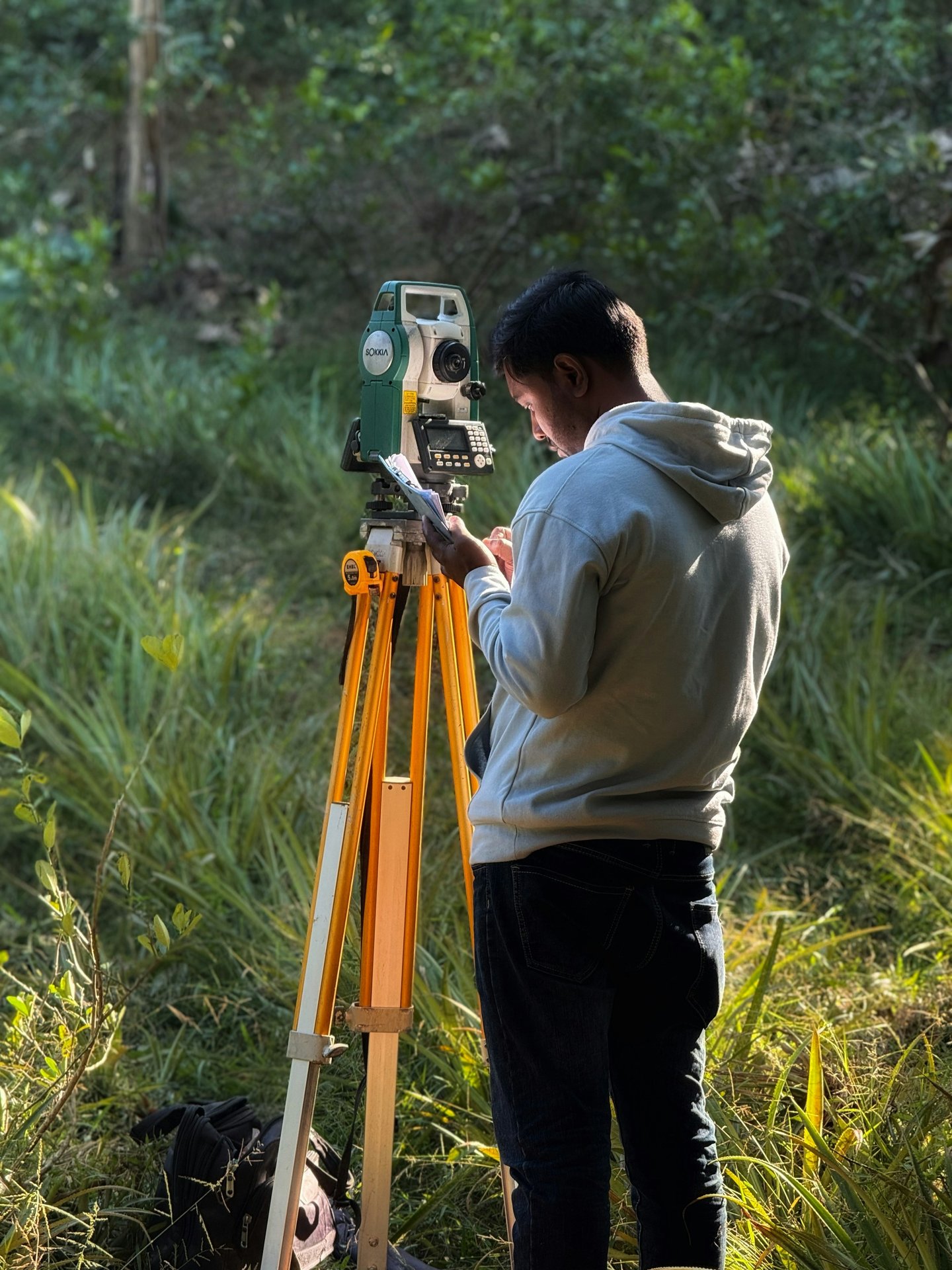
Every structure is only as good as the ground beneath it. Geotechnical investigation establishes the soil, rock and groundwater conditions that determine how foundations, pavements and earthworks will behave over the life of an asset.
What an investigation tells you
- Bearing capacity and settlement — how much load the ground can carry, and how much it will move.
- Soil classification — through sieve analysis, hydrometer testing and Atterberg limits.
- Compaction and strength — Proctor (MDD/OMC) and CBR tests for roads, airstrips and fills.
- Groundwater — levels and seasonal variation that affect excavation and foundation design.
Expansive black cotton soils
Expansive clays swell when wet and shrink as they dry, cracking floors, walls and pavements. Identifying them early — and designing for them with appropriate foundations, moisture control or ground improvement — is one of the most cost-effective decisions a project can make.
Investigate. Test. Analyse. Design. Verify.
Good practice links each step: a well-planned field programme, accredited laboratory testing, sound engineering analysis, practical recommendations, and verification during construction.