Infrastructure
Building Resilient Infrastructure in Post-Conflict Environments
Infrastructure in fragile settings has to work harder: it must be affordable to build, simple to maintain and robust against floods, insecurity and long supply chains.
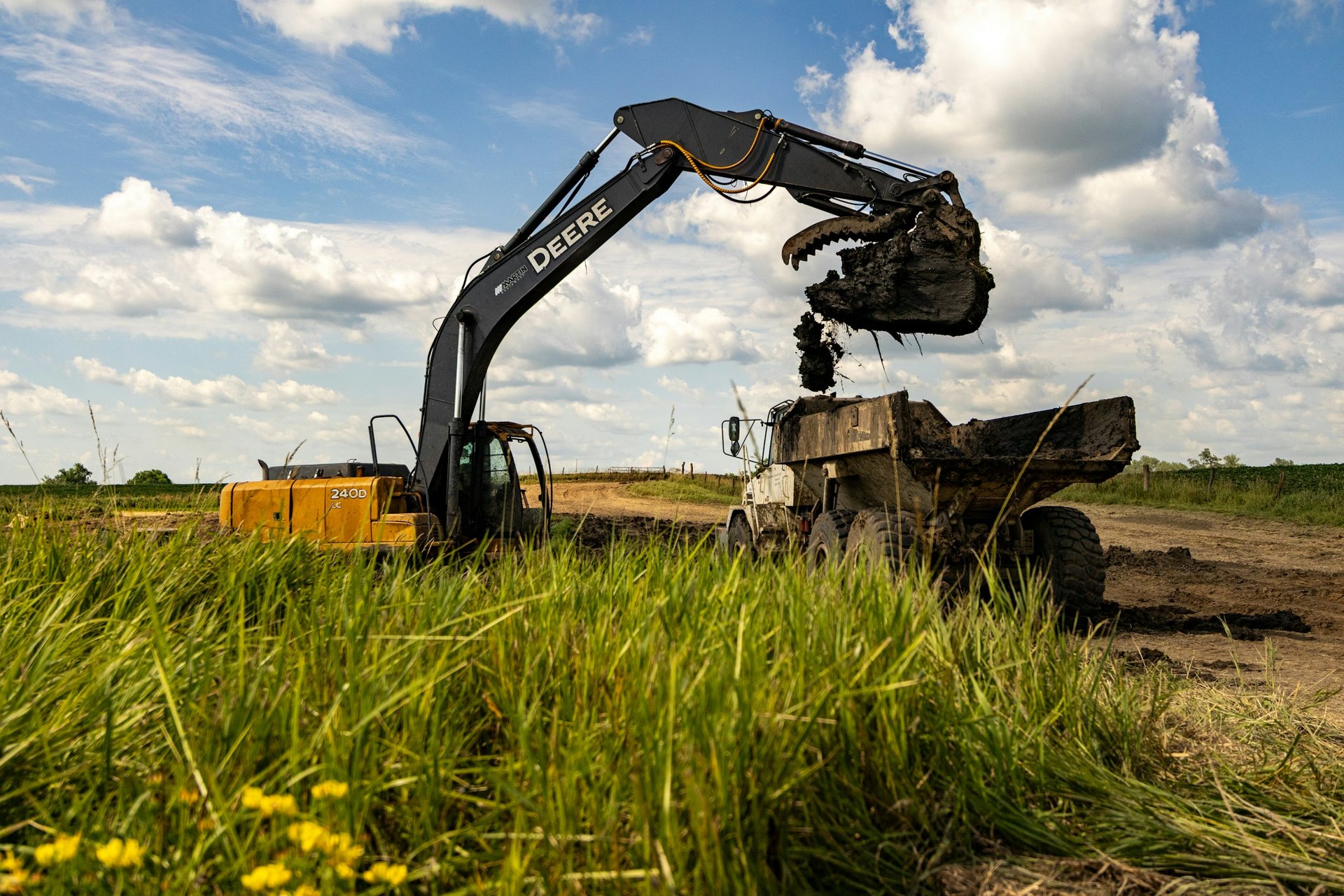
Infrastructure in post-conflict environments has to work harder than almost anywhere else. Roads, airstrips, water points and public buildings must be affordable to build, simple to maintain, and robust against floods, insecurity and long supply chains — often all at once.
Start with the ground, not the drawing
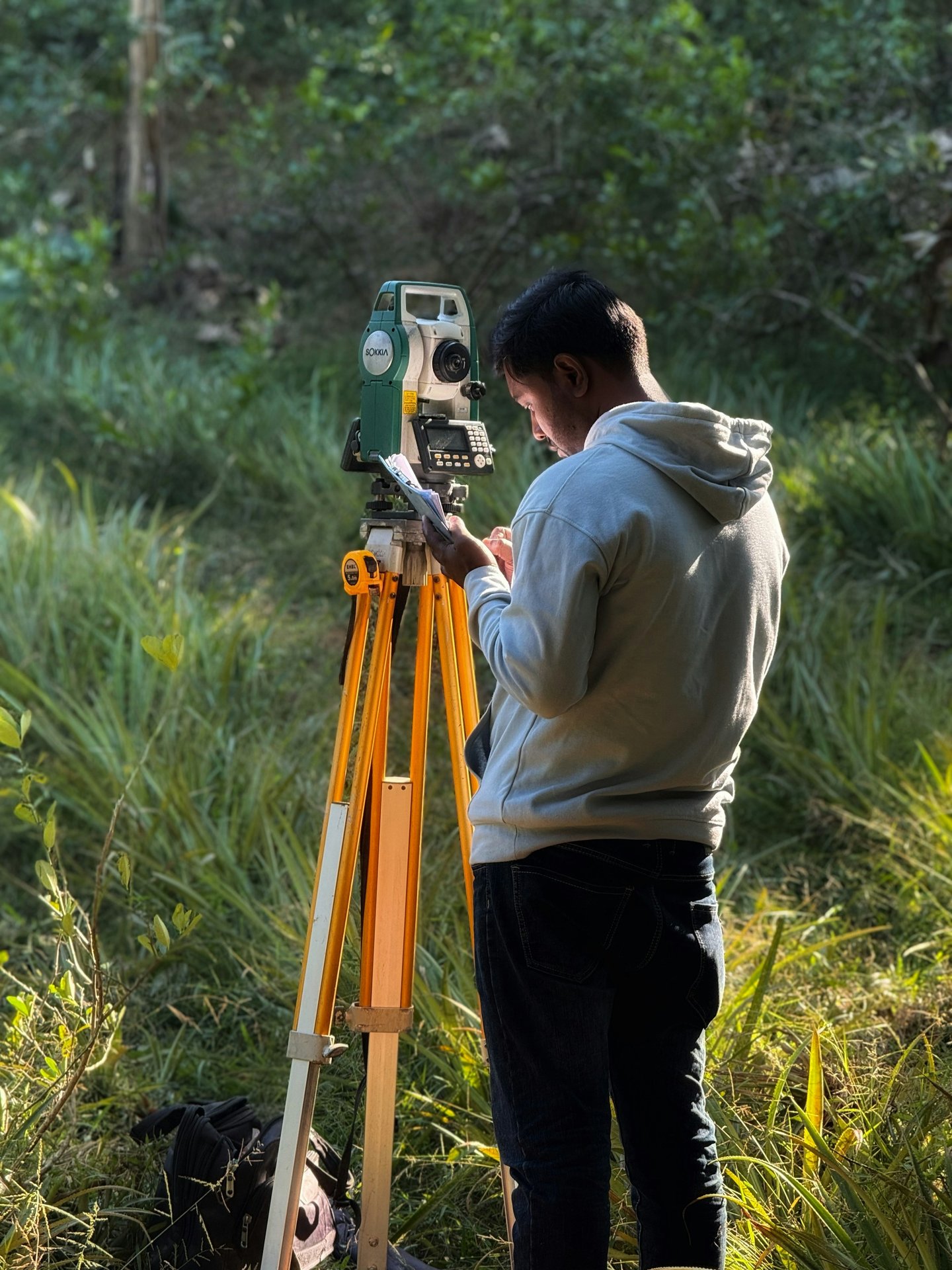
Many failures we see begin before construction: designs copied from other contexts, foundations sized without site data, or pavements built on untested subgrade. A modest investment in site investigation and materials testing early on avoids far larger costs later.
Design for maintenance you can actually deliver
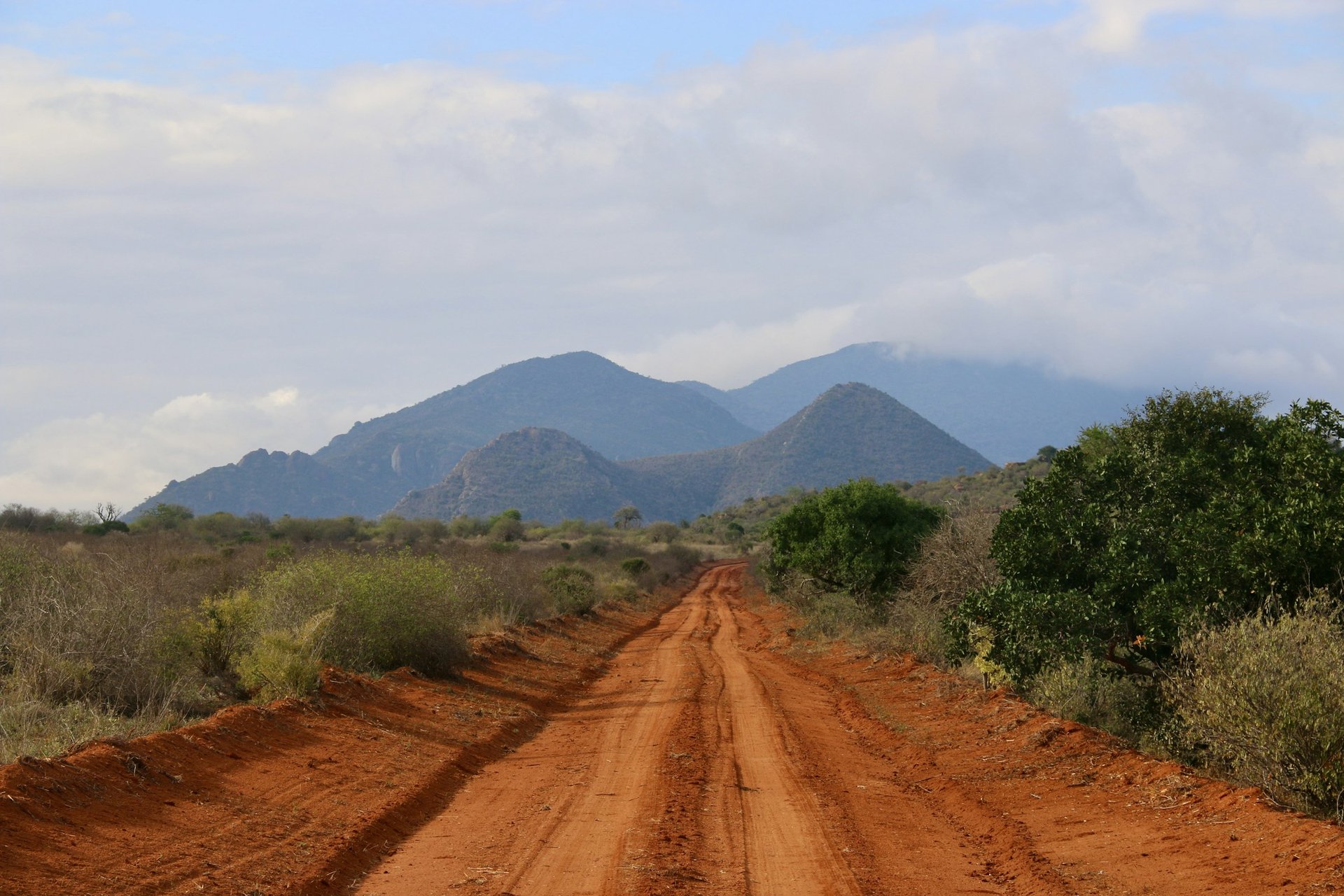
Resilience is not only about strength. A drainage system that local teams can clear, a gravel road that can be re-shaped with available equipment, or a water point with locally sourced spare parts will outlast a more sophisticated asset that nobody can repair.
Plan around the seasons
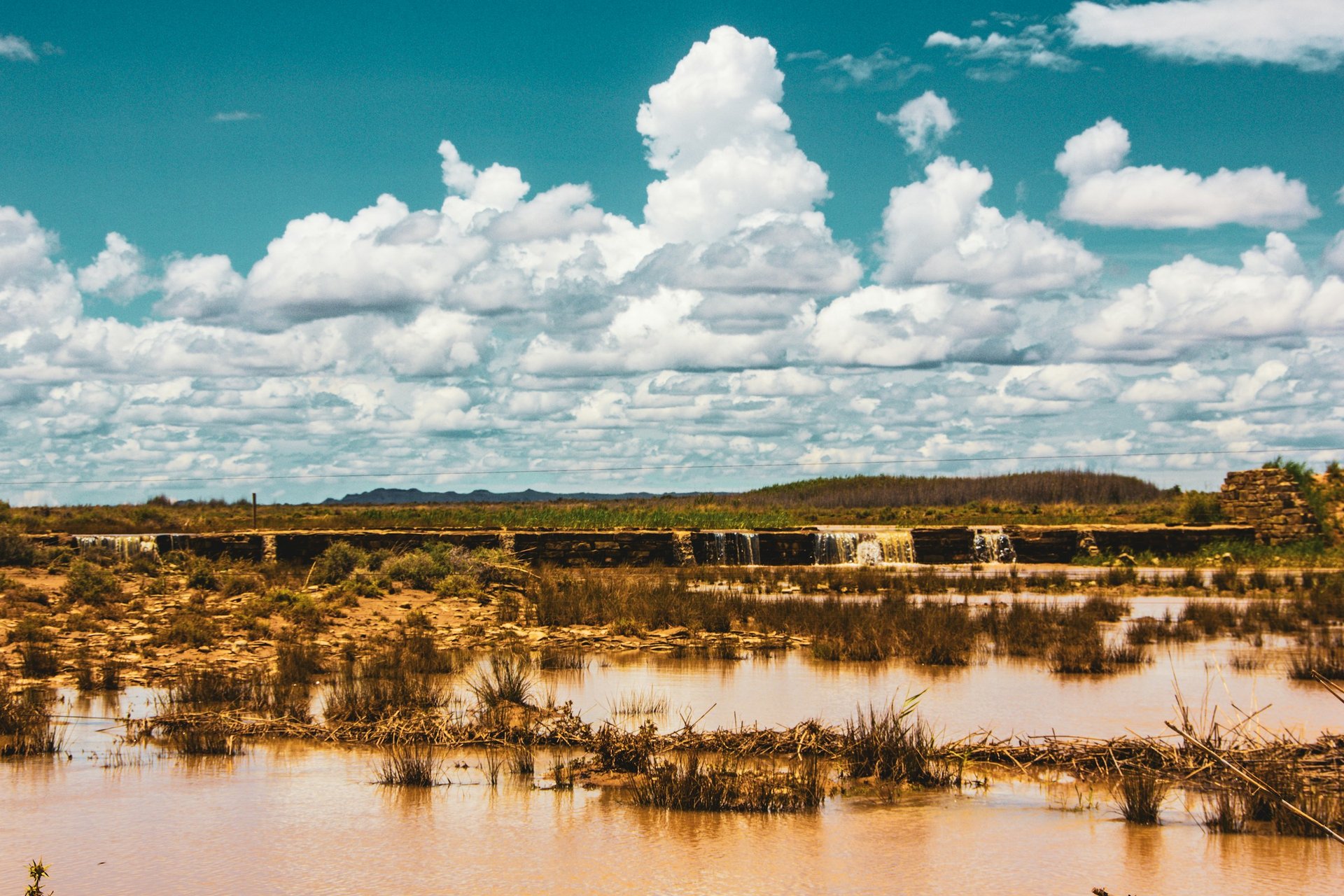
In much of South Sudan, the rainy season dictates when and how work can happen. Programmes that schedule mobilisation, earthworks and testing around access windows deliver more reliably and protect quality.
Put communities at the centre
People-centred planning — involving local authorities and communities in site selection, labour and maintenance arrangements — builds ownership and helps infrastructure keep serving the people it was built for.